
NYC Department of Aging on State of Older New Yorkers
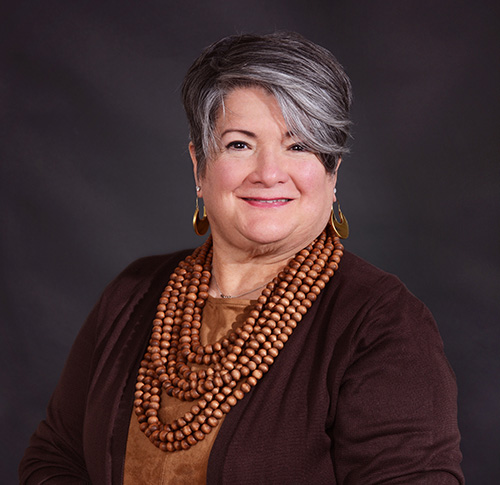
Lorraine Cortés-Vázquez
By Henry Levy
The Commissioner for the Department of the Aging Lorraine Cortés-Vázquez hosted a media roundtable for local ethnic media outlets to discuss The State of Older New Yorkers and the findings of their citywide older adult needs assessment survey.
The report, one of the most comprehensive the agency has ever completed on older adults included survey responses from 8,600 older New Yorkers and their caregivers. Commissioner Cortés-Vázquez and key members of the agency’s Planning and Strategic Initiatives team discussed what the findings mean for the future of the diverse communities of older adults in New York City and what is already being done to address them.
The key findings from the survey indicate:
- 41% of older adults reported difficulty paying at least one bill
- 30% reported difficulty purchasing healthy food
- Nearly 30% of caregivers under 60 indicated they care for both an older adult and a minor
- 55% of caregivers (under the age of 60) reported spending more than 15 hours per week on caregiving responsibilities
- Nearly 27% of older adults indicated they did not have stable housing
- More than 36% of older adults said they had at least one limitation to leaving their home
- More than one in five older adults said they experienced discrimination
All in all these statistics confirm the old adage: growing older is not for sissies. And, while some of the elderly suffer from loneliness, there are others who want to volunteer. Among the effects post Pandemic is that a major effort is needed to get older adults to socialize. Mayor Adams’ administration created a Cabinet for Older New Yorkers addressing public safety, affordability and ageism. A Service Needs Assessment Survey was distributed in the eleven most spoken languages among older adults and caregivers. The NYC Department of Aging set up the “Aging Connect” phone program for seniors to find out what City services are available to the. The phone number is: 212-244-6469 (212AgingNYC). Agency leaders claim to have the best staff and aging team in place to serve New York City’s elderly, saying, “They live it. It is not just a job to them.”
Earlier this month, on November 4, 2025, the Department of Aging celebrated its 50th anniversary. It provides their services to approximately 300,000 people each year out of an older population of 1.8 million city residents. The breakdown by ethnicity in 2023 was 38.6% White, 22.2% Black and African-American (non-Hispanic), 22.4% Hispanic and Latino and 15.4% Asian with the greatest increases in recent years from non-white adults. According to an AI overview for 2025, Whites were down to 31%, Blacks down to 20%, Hispanics up to 29% and Asians the same. Those that are aged 60+ now comprise 20% of New York City’s population and according to the Commissioner “In a few short years we’ll be at 25%”
More recently, in mid-November the NYC Department for the Aging reported that Mayor Adams was investing $9.3 million which will allow thousands of additional caregivers to access needed services including respite care, long-term care planning, counseling and other critical services. These funds will allow about 3000 additional residents access to NYC’s Caregiving Program, increasing recipients to 8000. Commissioner Cortes-Vazquez called caregivers “New York’s invisible workforce whose job is both rewarding and stressful in equal measure.”
At the roundtable, the Jewish Post remarked that according to UJA-Federation of New York and Selfhelp Community Services, there are an estimated 20,000 Holocaust survivors living in New York City with a large percentage in Brooklyn. Many face financial hardships with an estimated 40% living below the poverty line. When asked how the Department for Aging is addressing that, the response was that it was one of the agency’s top priorities to ensure for the safety and welfare of these Holocaust survivors living in the city. Commissioner Cortes-Vazquez said, “For us this is a very important issue. Many of the Holocaust survivors are over 85 and their needs are very different. Many of them still live alone independently and we need to be looking at what in-home services we need to increase for those obviously incredible survivors who still need some supports.” The Department of Aging, and other city agencies they work with, handle Holocaust survivors by partnering with social service agencies providing trauma-informed care, including homecare, case management, emergency financial aid, and socialization programs that are culturally sensitive. They also partner with UJA-Federation and the Claims Conference to provide a range of services including mental health, housing and home delivered meals. Kosher meals are available to anyone who wants one gets one.